

Summarise with AI:



Key Takeaways
- Successful transformation requires a complete shift in organizational culture and mindset, moving away from rigid old school monolithic packages to flexible, API-driven ecosystems.
- Moving away from inflexible monolithic systems to cloud-native, API-driven architectures is essential for scalability and future-proofing.
- Key benefits include streamlined operations, real-time data processing, and a faster time-to-market, which are critical for staying competitive.
- Success rests on aligning five areas: Customer Experience, People & Culture, Process Optimization, Data/Infrastructure, and Business Models.
- A successful journey requires a clear vision, executive commitment, and a phased implementation strategy (Discover, Create, Scale) to manage complexity and resistance.
- Transformation is a continuous, long-term growth rather than a one-time project, often taking 3 to 5 years to fully embed into an organization.
As technology advances quickly, businesses should take steps to stay ahead and boost their profits. As a company, you must stay ahead with the most effective strategies and maximize the benefits of digital technology.
For this, enterprise digital transformation solutions can be an excellent investment to help achieve your business goals. Now you must be wondering if it is even the right solution for your business; we will help you release its full potential.
The actual challenge occurs when companies anticipate the transformation. Despite large budgets and strong resources, companies would admit that change is not always easy. Once again, enterprise digital transformation is achievable. Furthermore, the benefits associated with corporate application development justify the efforts.
According to Statista, global investment in digital transformation is projected to reach $3.4 trillion by 2026, underscoring the scale of digital transformation trends. After reading the complete blog, you will learn why digital transformation is essential for enterprises and how it can benefit your organization.
What Is Enterprise Digital Transformation?
Digital transformation in business refers to the use of technology to enhance the company's value in the market. More than just receiving new tools, the focus is on changing how the company operates and what it offers its consumers. This transition also necessitates a shift in organizational culture that encourages new ideas and challenges old practices.
Digital enterprise transformation attempts to make companies more efficient and customer-focused. Companies may use technology to enhance their operations, customer experiences, and overall performance. Understanding digital transformation is critical for developing a successful digital strategy for the firm.
The Constraints of Legacy Architecture
Many corporate firms based their digital offerings and marketing reputations on outdated digital technologies.
In this sense, "old school" means a complete software solution. It includes website-building tools, tools by the best SEO service provider, e-commerce tools, and a content management system (CMS). All these features come in one easy-to-use package.
Here's why that might be problematic for transformation programs.
1. Inflexibility
Monolithic software architecture limits flexibility. In a legacy CMS, managing a lot of content and a busy schedule is hard. Any changes you make can disrupt the site’s formatting in the back end.
Publishing content across web and mobile often requires separate CMSs, leading to tedious copying and pasting between systems. This inflexibility slows content creation and prevents organizations from adapting their content presentation without complex workarounds.
2. Cloud Migration
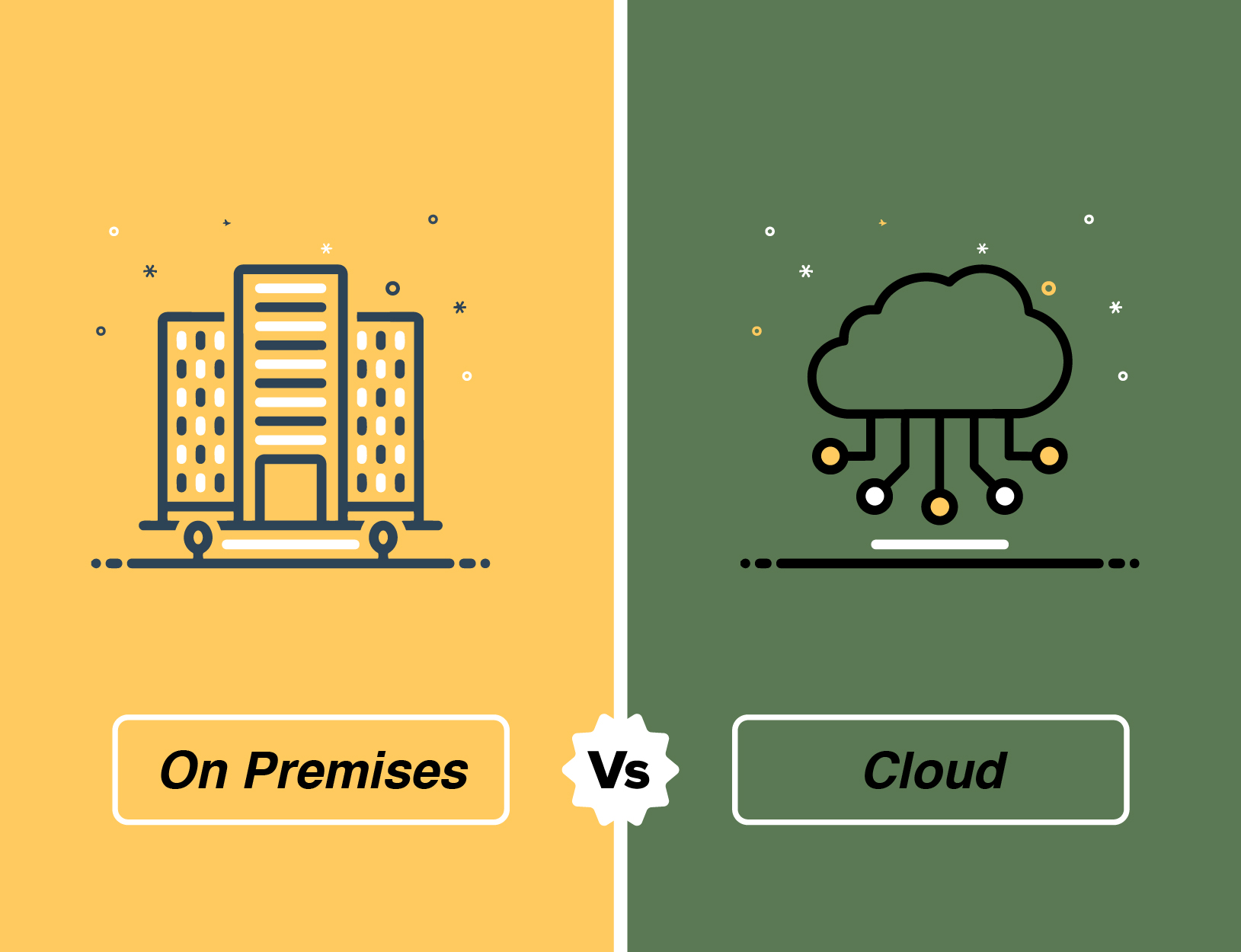
Legacy systems are typically on-premises, which complicates cloud migration. These systems may miss out on cloud-native benefits such as automatic scaling and cost-effective microservices. Moving them to the cloud can cause performance issues, higher latency, and potential security and compliance challenges.
3. Integration Issues
Even the supposed advantages of monolithic software can fall short. These systems are often bundles of acquired products that don’t integrate smoothly. Uneven updates and support can cause compatibility issues. This forces teams to use workarounds and reduce transformation.
4. Resistance to Change
Legacy systems slow not just content creation, but progress. Monolithic architectures make digital transformation harder. They create a culture that resists change. Teams depend on familiar tools and quick fixes. This delays investment, coordination, and innovation, often leaving brands playing catch-up with competitors instead of leading change.
Why is Digital Transformation Essential for Businesses?
Digital transformation is now essential. It is crucial for businesses that want to stay competitive in a fast-growing digital market. As technology advances, the gap between organizations that adapt and those that don’t continues to widen.
Today’s businesses face growing pressure from multiple directions. Budgets are tighter, employee expectations are higher, and managing global and hybrid workforces is increasingly complex. At the same time, technology and market trends are changing faster than you assume. Without scalable architectures and flexible systems, organizations struggle to keep pace with innovation.
Cost management is another major challenge. Many companies expect to scale operations, deliver better experiences, and drive innovation, often with limited resources. Additionally, leaders need to gain better visibility into how teams use applications and technologies to ensure maximum adoption, efficiency, and return on investment.
Digital enterprise transformation addresses these challenges by enabling companies to modernize operations, gain actionable insights, and respond quickly to market changes. Organizations that prioritize enterprise digital transformation can innovate faster, streamline processes, improve employee satisfaction, and unlock new growth opportunities.
Ultimately, digital transformation is the foundation for long-term success. By embracing digital change, businesses can build agility, create greater value, and
Key Benefits of Enterprise Digital Transformation
The term "enterprise digital transformation" explains how it transforms an organization's full backend and customer-facing systems. Corporate digital transformation now supports every functionality, from everyday operations to delivering a product or service to a consumer. Let’s explore the benefits of business digital transformation:
Improved Efficiency and Team Productivity
Enterprise digital transformation replaces obsolete tools and systems with end-to-end digital processes. This reduces manual labor, eliminates redundant work, and optimizes processes, allowing teams to focus on higher-value tasks, hence increasing production and efficiency.
Enhance Resource Management
Digital transformation offers a comprehensive perspective of assets like personnel, processes, and platforms within a unified repository. This enables business leaders to allocate resources effectively, avoid operational silos, and enhance workforce planning. Consequently, this leads to more creative budgeting and a better return on investment in both human and technological resources.
Scalability and Performance Enhancement
Modern digital technologies are designed to expand with your business. When you need to add more users, enter new markets, or handle larger data, digital transformation can help. It makes it easier for your business to grow. Dynamically provide infrastructure and services without performance constraints or costly upgrades.
Personalization and Real-Time Data Processing
Enterprise DX enables you to monitor client behaviour and operational data in real time. This enables them to use hyper-personalization and make more responsive decisions. Instead of reacting to old data, your business can respond to what is happening now. This includes customer interactions or changes in inventory levels.
Cloud-Native Infrastructure
When a business adopts enterprise digital transformation services, its entire infrastructure transitions to the cloud. Remember that you cannot complete any digital transformation project without transitioning an on-premises process to cloud-native settings. Enterprises get greater flexibility, dependability, and cost management.
A future-ready ecosystem means your technology stack is modular and driven by APIs. It is ready to work with new technologies. This means you can avoid tying yourself to legacy systems and adjust as the company's demands change.
Faster Time to Market
Latest technologies and flexible workflows help to reduce development and deployment cycles exponentially. Digital-first businesses design new products and add trendy features quickly. They also create new sales channels. This helps them respond to customer needs faster than their competitors.
Core Components Of Enterprises Digital Transformation
To be genuinely effective, your digital transformation strategy should be more than just a one-time project. It should be a continuous, enterprise-wide transformation in how your people, processes, and platforms interact.
These pillars will serve as the foundation for a strategy that has a great impact on your organization.
Customer Experience
Initially, you should understand and analyze why companies use digital platforms and technologies. To fully understand the client's needs, we connect with them directly. We also change the digital customer experience.
According to Harvard Business Review, 40% of respondents identified customer experience as their top priority for digital transformation.
People and culture
Your leadership must be totally committed to sustained transformation. Their example may help you gain the necessary staff buy-in.
Strive for transparent change management by explaining the objective and effect of new tools or procedures. Ensure you provide enough training and tools to employees so they feel supported in an AI-enabled workplace.
Helping your people accept change requires executive alignment, employee buy-in, and data-driven decision-making.
Process optimization
Simply implementing automation is insufficient. Instead, design your current workflow and seek manual, repeated operations that cause friction. Then consider how those procedures might ideally operate in a digital transformation.
Ask Queries Such As:
- Is the procedure repetitive and time-consuming?
- Does the process necessitate data-driven decision-making?
- Can automation increase accuracy and minimize errors?
Focusing on outcomes while optimizing your processes can help your transformation provide tangible benefits.
Data, Technology, and Infrastructure
With a legacy system, you might find it hard to get useful insights. You may also struggle to provide smooth support experiences.
Post Transformation, Your Tech Should:
- Elevate and accelerate efficiency.
- Supports scalability and innovation
- Enables end-to-end process automation
- Improves user experience
And with modern AI platforms, this isn’t just a pipe dream. A sophisticated AI infrastructure can support your digital enterprise transformation as you adapt and scale.
Business Model
Changing the business model is an important part of digital transformation. Some traditional companies are moving to digital platforms to offer more products. Others have started using new digital models in their operations.
Common Challenges in Enterprise Digital Transformation
Digital transformation brings several challenges that businesses need to address for a smooth transition. Below are some common issues and practical ways to handle them.
Resistance to Change
A major challenge in digital transformation is that employees may be hesitant to use new technologies buy in or processes. To address this, businesses should offer training and support to help staff learn new skills and adjust to new ways of working. Clear communication about the benefits of digital transformation can also help reduce resistance.
Legacy Systems & Processes
Many companies still use old systems and procedures. This can make it hard to work with new digital technologies. To address this, businesses should start by identifying the most critical legacy systems and processes. Subsequently, they can devise a strategy to upgrade or replace them. Cloud-based solutions can also assist in bridging the divide between old systems and new digital advancements.
Data Management & Security
Digital transformation leads to more data collection and processing. This can create concerns about data management and security. To resolve these issues, companies should establish clear data rules. They should also invest in data security methods such as encryption, authentication, and monitoring.
Lack of Skills & Expertise
Data analysis, cybersecurity, and software development are common skills needed for digital transformation. Companies can close this gap by investing in employee training and development. They can also hire new talent with the right skills or partner with outside suppliers.
Complexity & Integration
Digital transformation often involves the deployment of various technologies and solutions, leading to increased complexity and integration challenges. To simplify digital transformation, organizations require a well-defined strategy. This plan should consider all technologies and their interactions. Investing in enterprise architecture and data integration tools can also prove advantageous.
Strategic Blueprint for Enterprise Digital Transformation
A strategic plan for digital transformation in a business involves aligning technology, processes, culture, and goals. This creates an agile, customer-focused organization.
The process usually happens in stages: Discover, Create, and Scale. The focus is on innovation, using data, optimizing processes, and adapting continuously.
Effective leadership and cross-functional collaboration bolster this initiative. - The main goal is to evaluate the current situation.
1. We want to create a clear vision.
2. We will adopt new technologies such as AI, Cloud, and Data.
We need to improve our workforce skills. We must ensure strong cybersecurity. We should use a flexible, step-by-step approach for implementation and evaluation.
Core Phases and Pillars
Vision & Strategy
- Align with Business Goals: Link digital initiatives directly to overarching business objectives.
- Define Purpose: Clearly articulate the "why" for transformation and secure C-suite buy-in.
Assessment & Planning (Discover Phase)
- Digital Maturity Assessment: Evaluate current technology, processes, data, and culture.
- Map Processes: Identify key areas for improvement and innovation.
- Set KPIs: Establish metrics to track success.
Execution (Create & Scale Phases)
- Technology Adoption: Implement AI, ML, Cloud, Data Analytics, and Automation.
- Process Optimization: Simplify workflows to reduce costs and increase output.
- Customer Experience: Enhance digital channels to improve interaction.
- Workforce Transformation: Up-skill talent for digital roles and foster an innovation culture.
- Agile Implementation: Use iterative, bite-sized projects with cross-functional teams.
Enablement & Governance
- Leadership: Engaged executives provide direction and support.
- Collaboration: Bridge gaps between IT and business units.
- Data-Driven Decisions: Use analytics to inform decisions.
- Cybersecurity: Integrate security measures from the start.
Continuous Improvement (Scale Phase)
- Monitor & Adapt: Continuously track progress, gather feedback, and adjust the strategy.
- Build Capabilities: Focus on long-term agility and on evolving with market changes.
How Prioxis Accelerates Your Enterprise Digital Transformation?
Prioxis helps accelerate your enterprise digital transformation by providing tailored solutions that meet your unique needs. By combining industry expertise with cutting-edge technologies, Prioxis ensures a seamless shift towards modern, efficient systems. Their approach focuses on maximizing scalability, improving productivity, and ensuring secure integration across your entire organization.
With Prioxis, you can expect enhanced operational efficiency, reduced time-to-market, and a workforce that is fully equipped to embrace the digital future. Whether you're migrating to the cloud, optimizing business processes, or refining your customer experience, we ensure your transformation journey is a success every step of the way.
Conclusion
Enterprise digital transformation is more than a fad; it is an essential development for every firm that wants to remain relevant and successful in today's rapidly changing digital market. Companies seek more agility, efficiency, and customer-centricity, and digital transformation provides them with the tools to help achieve these objectives.
Businesses can lay the groundwork for long-term success by adopting new technology, streamlining operations, and fostering an innovative culture. The moment to act is now; those who wait too long will fall behind as the digital future unfolds.
Ready to begin your transformation? With the appropriate strategy, technology, and leadership, opportunities are limitless.