

Summarise with AI:



Every healthcare organization has its own unique processes, requirements, and regulations to follow, whether it's patient management, data security, or regulatory compliance. Generic software or off-the-shelf software hardly addresses these specific requirements, making it difficult for healthcare providers to deliver optimized patient care and maintain efficient operations. Custom healthcare software development delivers customized solutions designed around the workflows, data management, and compliance standards specific to healthcare.
- Create tailored workflows
- Streamline data management
- Integrate seamlessly with other healthcare systems
Whether it's simplifying patient interactions, automating routine tasks, or managing compliance, software development for healthcare offers organizations the exact tools they need to function efficiently and improve patient experiences.
For healthcare providers looking to upgrade their digital solutions, bespoke software development offers the ultimate control, flexibility, and efficiency.
Key Features to Look for in Custom Healthare Software
When developing custom healthcare software, certain features are essential to maximize the solution's value:
- Patient Management System Tracks patient interactions, appointments, and records, allowing for easy scheduling and follow-up.
- Data Security Tools Encrypts patient data, provides secure access controls, and includes audit trails for accountability, critical for privacy compliance.
- Electronic Health Record (EHR) Integration Allows healthcare providers to access patient data in real time, reducing redundant data entry and improving workflow efficiency.
- Telemedicine Tools With remote care growing in demand, telehealth software enable video consultations, secure messaging, and remote monitoring, making healthcare accessible for patients from home.
- Billing and Claims Management Automates billing, streamlines insurance claims processing, and tracks payments, simplifying financial management for healthcare providers.
- Analytics and Reporting Provides detailed insights into patient trends, staff performance, and operational efficiency, helping healthcare providers make data-informed decisions.
Process of Developing Custom Healthcare Software
1: Define your objectives
Start by identifying your organization’s unique needs and goals. Are you looking to improve patient engagement? Streamline back-office processes? Knowing these objectives allows healthcare software developers to create a roadmap that prioritizes the right features.
2: Pick a development partner
To create reliable software, choose developers with experience in software development for healthcare who understand data sensitivity, compliance needs, and system interoperability. A skilled, dedicated development team can anticipate potential challenges and design a solution that meets your organization’s requirements.
3: Build the software architecture
A well-thought-out architecture is the foundation of any successful healthcare software application. This stage includes defining the system's structure, choosing technologies, and ensuring the software will be flexible and able to adapt to future changes for high performance and scalability.
4: Develop and test
The software development process is divided into sprints, where each section of the software is built and tested iteratively. Regular testing ensures each part of the software meets functionality, compliance, and security standards. At this stage, feedback from end-users, like clinicians and administrative staff, is invaluable that helps in fine-tuning the application to fit real-world workflows.
5: Deploy and train
Once the software is developed, it’s time to roll it out across the organization. Training sessions help users understand the software, making it easier for teams to transition without disruptions to daily operations.
6: Maintain and update
Custom software requires ongoing support to keep it running smoothly. Regular updates, security patches, and feature upgrades are essential to maintaining performance and compliance.
The Top Benefits of Bespoke Healthcare Software Development
1. Tailored to specific needs
Custom healthcare software applications address the unique requirements of each healthcare organization, allowing them to reduce time spent on repetitive tasks, streamline patient management, and simplify billing and claims processes. Unlike off-the-shelf solutions, custom healthcare software is designed around your organization’s specific workflows and requirements. This ensures that your software:
- Reduces time spent on data entry and administrative tasks
- Optimizes patient record-keeping and clinical workflows
- Simplifies billing and insurance claim processes
2. Better engagement
With custom software, healthcare providers can create personalized experiences for patients, improving overall satisfaction. This patient-centered approach helps build trust and engagement, while freeing up resources within the organization.
- Patient portals
- Automated appointment reminders
- Health data tracking
3. Built-in compliance
Compliance with data privacy regulations like HIPAA or GDPR is a must when it comes to the healthcare industry. Custom healthcare software product development takes regulatory requirements into account from the start, building data security and compliance into every process. This proactive approach minimizes the risk of data breaches and maintains patient trust.
4. Deep integration
Software development healthcare solutions are designed to integrate easily with existing systems, such as EHRs, lab software, and billing platforms, enabling smooth healthcare data integration between departments. This interoperability ensures that all patient information is up-to-date and easily accessible, allowing healthcare providers to make timely, informed decisions.
- Electronic health records EHRs
- Lab software
- E-Billing platforms
5. Scalability
Custom healthcare software development is scalable, making it easy to add new features, users, or services as the organization grows. This flexibility helps healthcare providers keep up with changing technology, remote care solutions, and patient demands without needing frequent software replacements or upgrades.
Challenges in Bespoke Healthcare Software Development
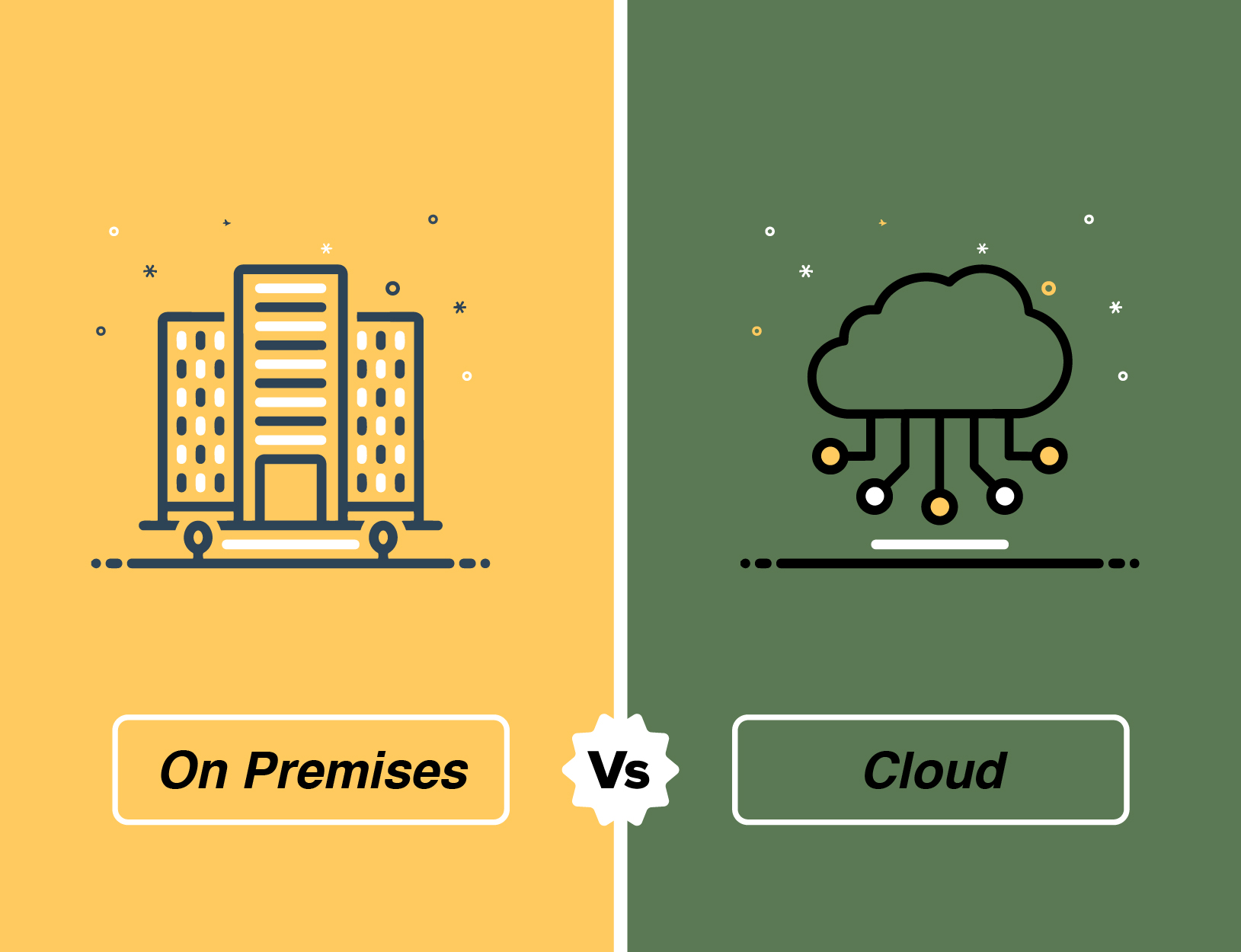
The bigger challenge is that it can take considerable time, and the upfront investment can be 5-10 times higher than that of implementing a SaaS solution. But over the long term, it's typically more cost-effective, given the operational benefits and the ultimate level of flexibility it provides.
Another consideration is security. With custom software, you own security, maintenance, and updates, while with SaaS, the vendor is responsible for security and updates.
Another challenge is integration with legacy healthcare software platforms. It can be difficult when a company runs its operations heavily on legacy systems.
Is Bespoke Healthcare Software Right for Your Organization?
Custom healthcare software may be the solution if your organization struggles with rigid processes, data silos, or inefficient workflows due to off-the-shelf software limitations. A tailored solution can empower your team, streamline operations, and ultimately provide a higher standard of care for patients. Address these questions, and you will get to the answer:
- Does your organization have unique tech needs?
- Is data security & compliance a top priority?
- Planning for scalable, future-ready tech?
- Ready to invest in a tailored solution?
- Focused on improving patient care with technology?
Q1# Does your organization have unique requirements?
- Tailored Workflows: If your operations have specific workflows or patient care models that generic software can't fully support, custom software can bridge those gaps with a solution designed precisely for your needs.
- Seamless Integrations: Many healthcare providers need their systems—like EHR, billing, and telemedicine platforms—to work together smoothly. Bespoke software can simplify this, ensuring all your tools communicate effectively.
Q2# Is compliance and data security a top priority?
- Strict Security Standards: With sensitive patient data, strict regulatory standards like HIPAA or GDPR compliance are essential. Bespoke software allows you to build in these standards, mitigating risks and maintaining patient trust.
- Data Access and Control: Tailored solutions let you set permissions and manage data access, adding a level of security and control that’s often missing in ready-made options.
Q3# Do you have a vision for scalability?
- Prepared for Growth: If expansion is on the horizon, a custom solution can scale with you, growing alongside your organization without the constraints of off-the-shelf platforms.
- Future-Ready Technology: Custom software can be designed with flexibility in mind, making it easy to integrate with healthcare AI agents, IoT, or patient-centric tools as your organization evolves.
Q4# Can you support the investment?
- Long-Term Value: While custom software has a higher upfront investment, it can save you over time by eliminating costly licensing fees and reducing dependency on outside vendors.
- In-House IT Capacity: If you have (or plan to establish) a solid IT infrastructure, managing and scaling a custom solution becomes seamless. For organizations without this capacity, we’re here to provide support and ensure smooth operation.
Q5# Focused on better patient care?
- Improved Patient Experience: Bespoke software aligns directly with your models, supporting better patient care and outcomes.
- Competitive Advantage: Custom solutions let you stand out, delivering specialized services in ways that generic software simply can’t match.
Key Takeaways
Custom software aligns better than generic software with unique workflows and compliance standards, and is highly scalable in terms of implementing new technology and control. Choose a bespoke solution when you want to provide enhanced care. Moreover, the product's success depends on the right partner you pick. If your query isn't "which software should we buy?" but "should we build something that actually fits?" Prioxis is a healthcare software development company that can help you answer that.