

Summarise with AI:



Welcome to cloud computing—a transformative technology that provides small businesses and start-ups with the ability to maintain data and run applications with ease without paying a hefty cost for traditional hardware. To reap the full benefits of the cloud, however, you will need to become acquainted with how it is charged.
Managed cloud service providers offer flexible pricing options for cloud adoption, tailored to meet the diverse needs, sizes, and requirements of businesses. Whether a pay-as-you-go option, reserved capacity, or subscription offering, selecting the appropriate pricing choice is critical for controlling your costs while driving growth.
In this article, we will discuss the most main cloud pricing models, explain how they differ, and help you decide which best suits your business. Let's get started and see how to make the most of your cloud spending and make your business more agile and successful.
What Are the Cloud Cost Models?
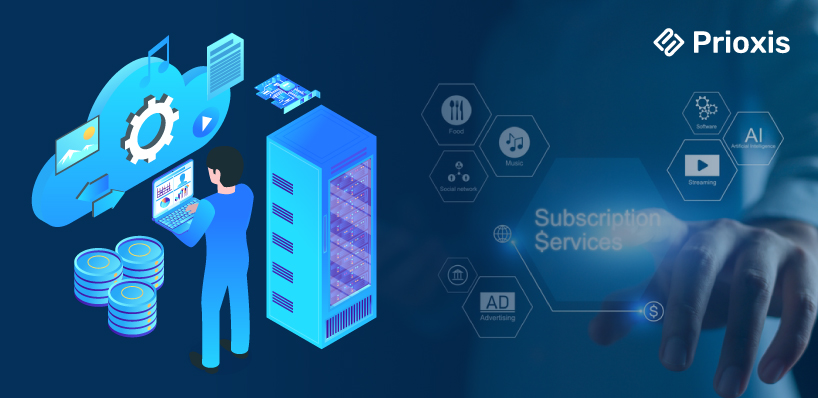
Cloud pricing models are the methods used by providers to calculate and charge for cloud services. These models are based on several factors, including the type of service offered, the provider's business strategy, market competition, and the level of user engagement. Essentially, pricing is determined by Stock Keeping Units (SKUs)—the basic units of the cloud service pricing you’re buying.
Key Factors in Cloud Pricing
- Type of Cloud Service: Various services (such as storage, processing power, or network bandwidth) offer varying pricing models.
- Provider's Business Model: Pricing varies per provider, based on how they do business and bundle their services.
- Market Competition and Demand: Prices change according to market competition and prevailing demand levels.
- User Engagement: How intensely and how often you utilize a service can influence your bill.
According to these considerations, cloud pricing models mainly fall into two categories.
- Time-Based Cloud Cost Models Such models charge for the time used by resources. They are simple and widely accepted, particularly where resources can be scaled up and down dynamically, like development and test environments.
- Unit-Based Cloud Cost Models These models charge on fixed units of use—whether it is storage, transactions, or compute units. This model works best when the use can be easily measured so that companies can better estimate their costs.
Types of Cloud Cost Models
Whether you want cost savings, consistent workloads, or are willing to take on some risk, there is a cloud cost model for your organization. Here are the main cloud cost model types and how they operate:
1. Pay-As-You-Go (On-Demand)
The most popular cloud cost model is pay-as-you-go. With pay-as-you-go, you pay only for what you use in cloud resources on an hourly or per-minute basis. This model is highly flexible since you can scale resources up or down on demand without committing to a long-term contract. Still, since you're paying for the duration of usage, the costs can rise rapidly if resources are kept running around the clock even though they aren't being actively used. This model best suits:
- Short-term projects
- Development and testing environments
- Experimental or unpredictable workloads
With pay-as-you-go, monitoring tools are important to keep visibility on your resource usage and better predict future needs.
2. Reserved Instances
Reserved instances ask you to commit to a minimum amount of use over a set period—one year or three. For this commitment, cloud providers give deep discounts versus on-demand pricing. The most important advantage here is cost savings for stable, steady workloads. If you overprovision your needs, though, you will end up paying for unused assets. Reserved instances are ideal for:
- Long-term projects with stable resources
- Mission-critical applications
- Workloads with regular usage patterns
3. Spot Instances
Spot instances allow you to bid on unused cloud capacity at reduced prices. This pricing is appealing to organizations with elastic, fault-tolerant workloads. Spot instances can save you a lot of money, but they expose you to the possibility of termination with little notice if the market price is higher than your bid or if other people need the capacity. Therefore, they are best suited for:
- Batch processing and data analysis
- Stateless or fault-tolerant web applications
- Interruptible workloads
4. Value-Based Pricing Model
In the value-based pricing model, expenditure is matched to the business value brought by the cloud service model costs as opposed to merely the utilization of a resource. It takes into account improvement in performance, added features, and overall results. This enables you to pay more or less for approximately the advantages your business reaps, which simplifies the measurement of return on investment (ROI). This model is most helpful when:
- Performance and value-added functionality power business results
- Measurable benefit and ROI are important factors for making decisions
5. Hybrid Cloud Billing
For businesses running on both public and private clouds, hybrid cloud billing aggregates costs from various environments into one unified, consistent billing model. This approach enables you to maximize your expenditure by aligning the advantages of various price plans, based on the workloads and the needs of individual cloud environments. Hybrid cloud billing is best for organizations that:
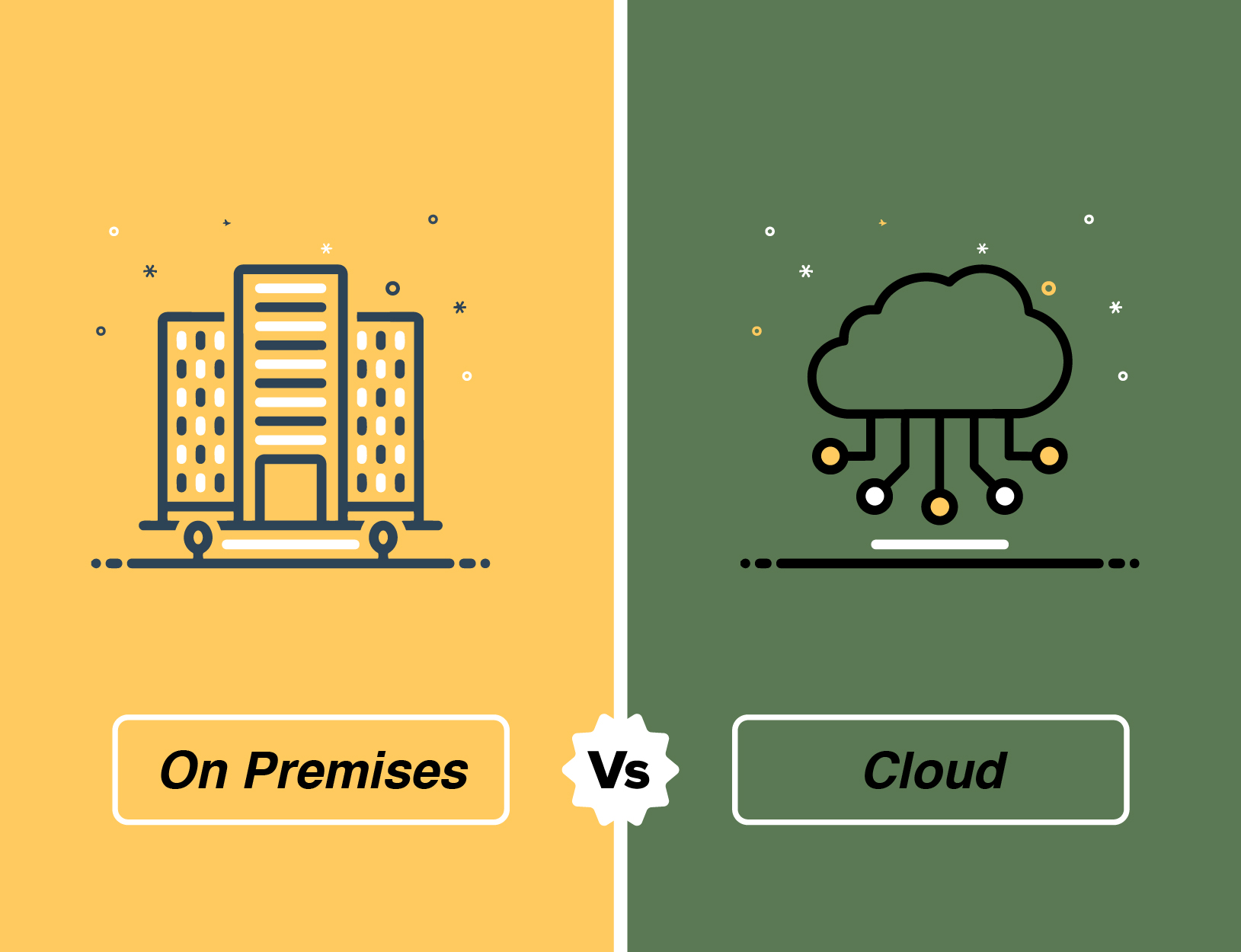
- Employ a combination of on-premise and cloud infrastructure
- Need flexible and scalable billing models
- Want to streamline financial management across platforms
Each of these cloud cost models has its advantages and possible disadvantages. It is important to know how they work and how they can be aligned with your business needs to maximize your cloud expenditure while facilitating growth and innovation.
Final Thoughts
In summary, knowing cloud pricing models is necessary for companies to optimize efficiency and keep costs under control. Depending on whether you prefer the versatility of Pay-As-You-Go, the predictability of Reserved Instances, or the cost-effectiveness of Spot Instances, each option has its distinct advantages suited to various requirements.
At Prioxis, we believe in offering solid, scalable cloud solutions that enable your business to succeed in the ever-changing digital world. With our worldwide network and custom pricing plans, you can proceed with confidence into the cloud and take your business forward.