


Summarise with AI:



Key Takeaways
- AI brings smart capabilities like predictive analytics, automated code generation, test automation to DevOps workflow, transforming them from reactive to proactive systems. These enhancements help teams spot issues early and reduce manual toil.
- By Analyzing data from logs, deployment and operational metrics, AI tools help teams predict failures, optimize deployments, and speed up the CI/CD pipeline.
- AI tools can automatically identify vulnerabilities, perform intelligent security testing, and monitor infrastructure continuously that help in reducing risk and improving incident response times.
- The blog cover list of AI DevOps tools like ansible for automation, Datadog for smart monitoring and so on, that help teams streamline processes, reduce errors, and improve collaboration across development and operations.
Have you ever wondered how top tech teams work more efficiently? They find problems sooner and automate many tasks in their DevOps pipeline.
The growth of AI solutions for DevOps, smart platforms that integrate automation, prediction, and intelligence into all stages of development and delivery, provides the answer. As software systems become increasingly sophisticated, traditional DevOps technologies fail to meet speed, scalability, and security requirements. This is where AI comes in, converting DevOps from a reactive operation to a proactive, data-driven engine.
In this blog, we explore the top 10 AI tools for DevOps, their functionality, benefits, and how teams worldwide utilize AI in DevOps to build faster, more secure, and reliable pipelines.
What AI Brings to DevOps?
AI brings intelligence, automation, prediction, and speed to DevOps, turning traditional reactive workflows into proactive, self-improving systems. Instead of DevOps engineers manually detecting issues, optimizing pipelines, or responding to incidents, AI automates these tasks at scale.
Key AI Contributions to DevOps
- Predictive analytics Artificial intelligence (AI) analyses past data to predict prospective difficulties, system overloads, or failures before they occur, allowing teams to take proactive steps to avoid downtime.
- Intelligent automation AI automates repetitive and complex tasks, such as generating code, creating test cases, and designing deployment configurations, resulting in faster development cycles and reducing human error.
- Improved security AI enhances security by automatically identifying vulnerabilities, reporting unsafe code modifications, and detecting threats in real-time, leading to a more secure software supply chain.
- Faster incident response By analyzing logs and analytics from distributed systems, AI can quickly identify the root cause of issues and recommend or execute remediation plans, significantly reducing the mean time to resolution (MTTR).
- Enhanced efficiency and collaboration AI optimizes workflows, helps prioritize alerts, and gives intelligent suggestions, allowing teams to operate more efficiently and focus on innovation.
- Smarter decision-making AI tools provide insights and data-driven guidance, enabling teams to make better and faster decisions throughout the entire DevOps pipeline.
Why Traditional DevOps Tools Fall Short?
Traditional DevOps tools often fall short because they result in a fragmented tool-chain, ignore essential cultural shifts and collaboration, struggle to scale with current cloud-native architectures, and treat security as an afterthought.
Key Reasons for These Shortcomings Include
- Tool-chain Complexity and Fragmentation Companies often end up with various separate, disconnected tools for different phases that don't integrate well.
- Context Switching Engineers waste significant time and mental energy switching between different dashboards and systems, reducing productivity.
- Integration Overload A substantial amount of time is spent maintaining and integrating various tools, rather than focusing on innovation.
- Cultural and Process Barriers The most common cause for failure is the focus on technologies and automation at the expense of critical human and cultural reforms.
- Silos Tools alone can’t bridge gaps between development, operations, and security teams, leading to poor communication and limited shared responsibility.
- Resistance to Change Teams often resist new workflows, and insufficient training leaves them unprepared for adopting new processes.
- Scalability and Environment Inconsistencies Traditional tools struggle to manage the complexity of current, multi-cloud, microservices environments.
- Inconsistent Environments Code may operate locally but fail in staging or production owing to configuration mismatches, resulting in time-consuming troubleshooting.
- Monolithic Mindset Older practices built for static, monolithic systems make it difficult to scale quickly or fully leverage elastic cloud resources.
- Security and Compliance Gaps Security and compliance tests are frequently included at the end of the development process, resulting in delays and severe vulnerabilities.
- Lack of Integrated Security Traditional techniques frequently lack a "shift-left" strategy, which incorporates security from the beginning of the development process.
- Lack of Business Alignment Teams may achieve rapid deployment times but fail to link these technical metrics to concrete business benefits and ROI, making it challenging to gain executive support.
How DevOps and AI Work Together Seamlessly?
DevOps and AI naturally complement each other. DevOps drives automation and fast delivery, while AI brings intelligence and predictive capabilities. Together, they create smarter, self-improving systems.
AI analyzes logs, metrics, and deployment data to detect bugs faster, predict failures, and recommend optimizations. This shifts teams from reactive troubleshooting to proactive prevention. Simultaneously, DevOps pipelines provide the continuous data flow AI needs to learn and improve.
The result is a seamless cycle where:
- Deployments become faster and more reliable
- Issues are identified before they impact users
- Resources auto-scale efficiently
- Security risks are flagged instantly
- Manual effort is reduced significantly
In essence, DevOps provides automation, and AI adds the brain, enabling organizations to scale faster with greater stability and confidence.
Key Benefits of Using AI in DevOps Workflows
The adoption of AI in DevOps introduces significant improvements across speed, reliability, and collaboration. By combining automation with predictive analytics, teams can optimize workflows and reduce risks throughout the software lifecycle.
- Faster Deployments
AI can analyze previous development and deployment data to detect bottlenecks and suggest improvements. Platforms provide predictive deployment planning, ensuring updates are deployed at the appropriate time, reducing downtime, and enhancing delivery speed.
- Smarter Monitoring
Instead of relying on static alerts, AI continuously monitors logs, infrastructure data, and network activity to identify anomalies in real time. This proactive monitoring minimizes the likelihood of problems escalating into production outages.
- Improved Collaboration
AI-powered solutions may identify bottlenecks in azure pipelines and automatically assign tasks to the appropriate team members. This helps create smoother communication between the development and operations teams, enabling them to address issues quickly and coordinate more effectively.
- Higher Quality Releases
AI improves release processes by automating test generation, detecting defects in advance, and assessing quality. This means that fewer bugs make it into production, resulting in more stable systems and better user experiences.
How to Use AI Tools for DevOps Automation?
AI tools can streamline complex DevOps workflows by automating repetitive tasks, predicting failures, and improving overall system efficiency.
- Identify Repetitive Manual Tasks
Start by pinpointing tasks that consume time but add little strategic value—such as log reviews, routine testing, incident triage, and deployment checks. These are ideal candidates for AI-driven automation. Once identified, you can integrate AI tools to handle these tasks with fewer errors.
- Set AI-Powered Monitoring and Alerting
AI-enhanced DevOps monitoring tools analyze logs, metrics, and events in real-time to detect anomalies that traditional systems miss. They automatically filter noise, prioritize critical alerts, and even recommend solutions. This ensures faster detection, reduced alert fatigue, and more reliable operations.
- Enable Predictive Maintenance with AI
Instead of reacting to outages or performance drops, AI helps you anticipate them. By studying historical data, usage patterns, and system behavior, AI models can predict failures before they occur. This allows teams to schedule maintenance proactively, minimize downtime, and improve system reliability.
- Automate Root Cause Analysis
AI can quickly analyze logs, traces, and error patterns to identify the true cause of an issue. This eliminates hours of manual investigation, enabling teams to resolve incidents faster. AI-based RCA tools pinpoint the exact component causing the failure and recommend the most effective remedial steps.
Top AI Tools in DevOps for Smarter Pipelines
AI in DevOps automates repetitive tasks, enhances monitoring accuracy, predicts failures, improves security, and speeds up deployments. The best AI tools, such as Ansible, Harness, GitHub Copilot, Datadog, and Snyk, enable teams to work more effectively. They make workflows smoother, reduce errors, and provide more reliable releases. If you're looking to improve efficiency, accelerate delivery, and strengthen your DevOps intelligence, AI-driven DevOps tools are essential.
1. Ansible
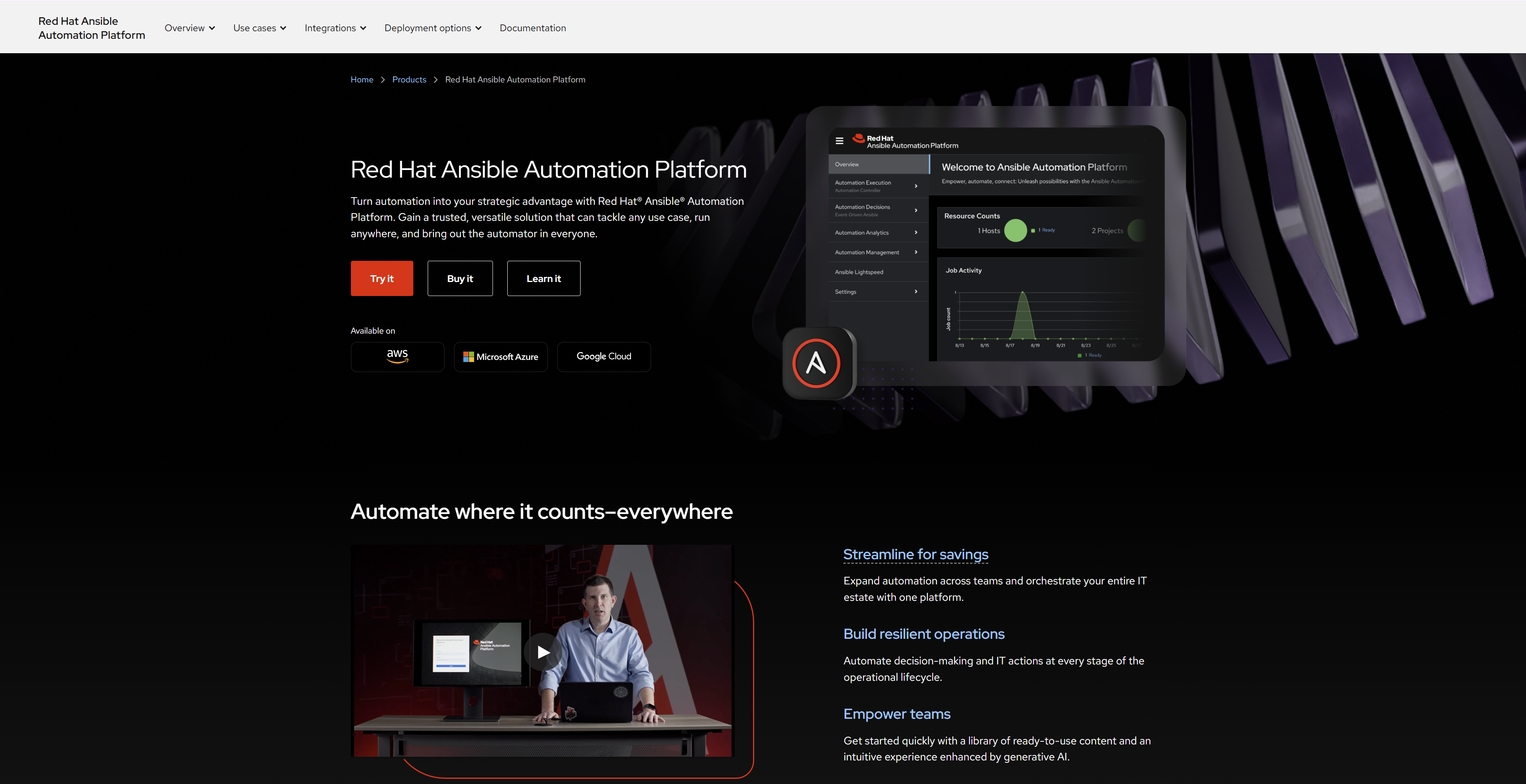
Ansible is an open-source DevOps workflow automation tool that uses artificial intelligence (AI) to ease application, infrastructure, and network administration. It enables DevOps teams to automate repetitive operations, such as configuration management, application deployment, and cloud provisioning. Ansible's AI-powered playbooks would allow teams to expedite deployments, reduce manual intervention, and maintain consistency across environments.
2. Atlassian
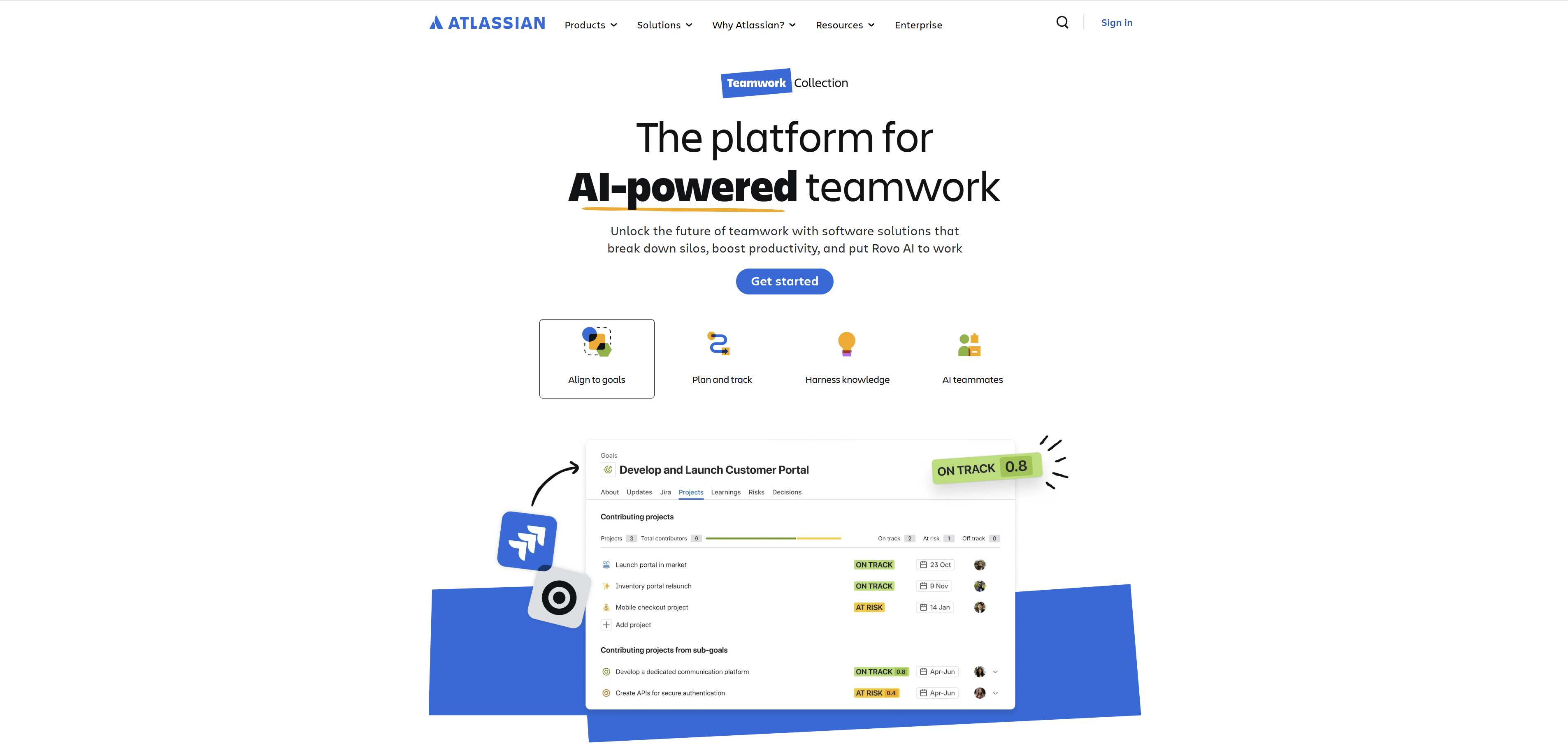
Atlassian Intelligence is authorized to provide valuable insights into the health, performance, and adoption of Atlassian tools, which include Jira, Confluence, and Bitbucket, helping DevOps teams optimize their use of these platforms. The tool provides usage metrics that reveal how different products are being adopted, highlighting popular features and suggesting areas where adoption may be lagging. It also monitors Atlassian application performance, providing visibility into outages, slowdowns, and mistakes, allowing teams to optimize proactively.
3. AWS Copilot
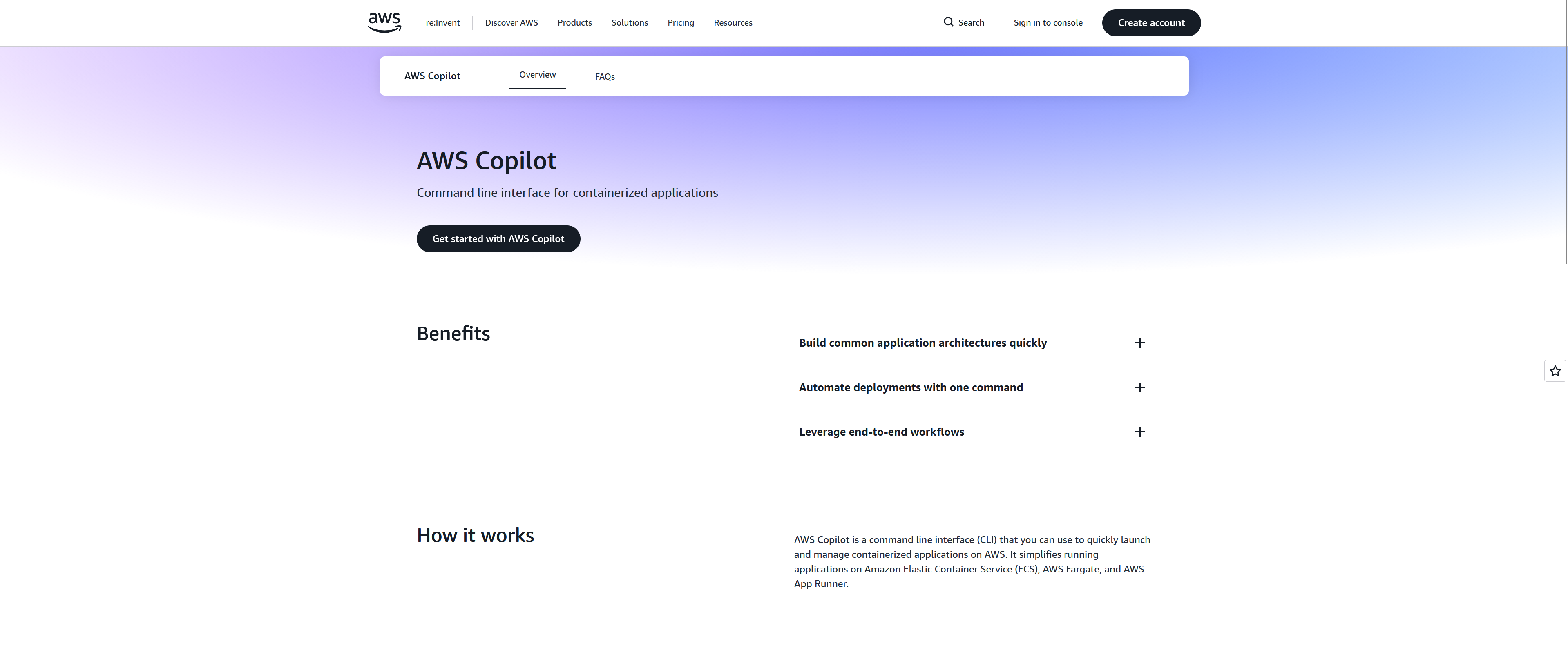
Amazon Copilot helps you create, release, and run containerized applications on AWS more easily. It provides a simple command-line tool to set up the necessary infrastructure and services for launching your app. This way, you can spend more time writing code instead of adjusting the platform.
4. AWS CodeGuru
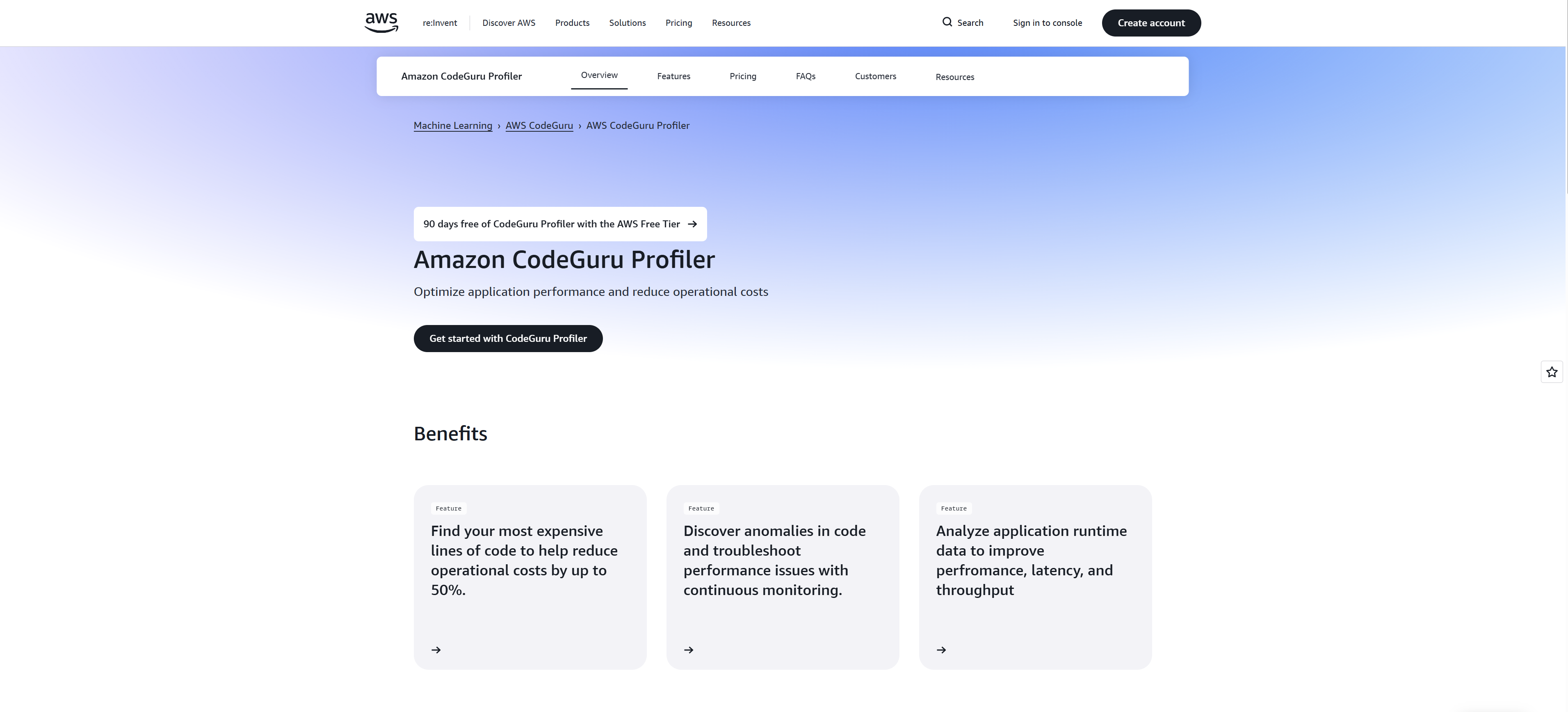
CodeGuru examines your code for bugs, security flaws, and chances for optimization to increase efficiency, readability, and software quality. It identifies the performance bottlenecks by analyzing execution time, memory consumption, and database interactions, offering insights for further optimization. It identifies flaws early on, allowing developers to build cleaner, more secure, more efficient code. It integrates with IDEs, such as Visual Studio Code, making it available inside developers' existing workflows.
5. Datadog
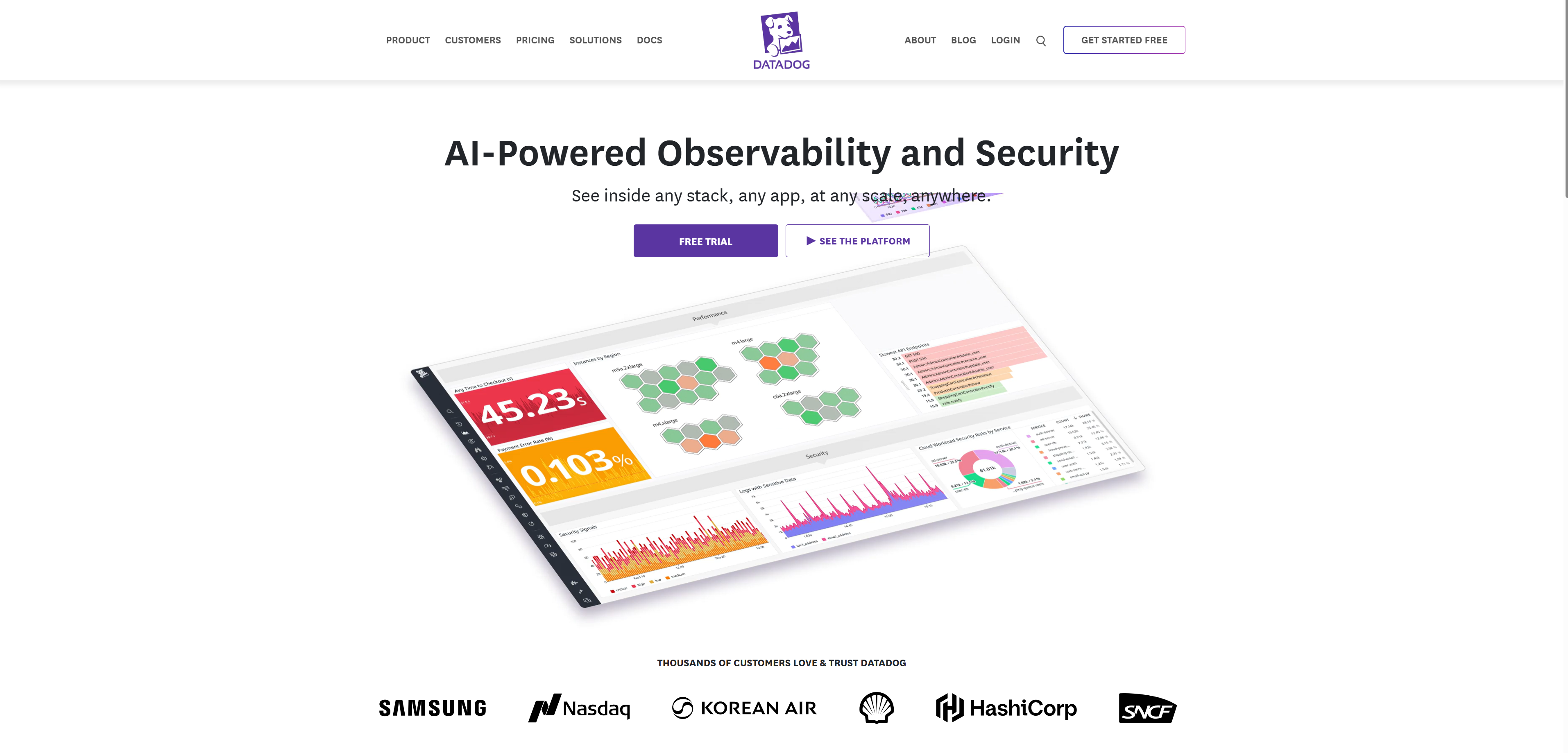
Datadog uses machine learning to detect abnormalities in application metrics, logs, and infrastructure, enabling the early detection of problems, such as performance spikes or unusual resource utilization. It uses AI for root cause analysis, streamlining incident resolution, and predictive analytics to anticipate potential issues, enabling proactive maintenance and scaling.
6. GitHub Copilot
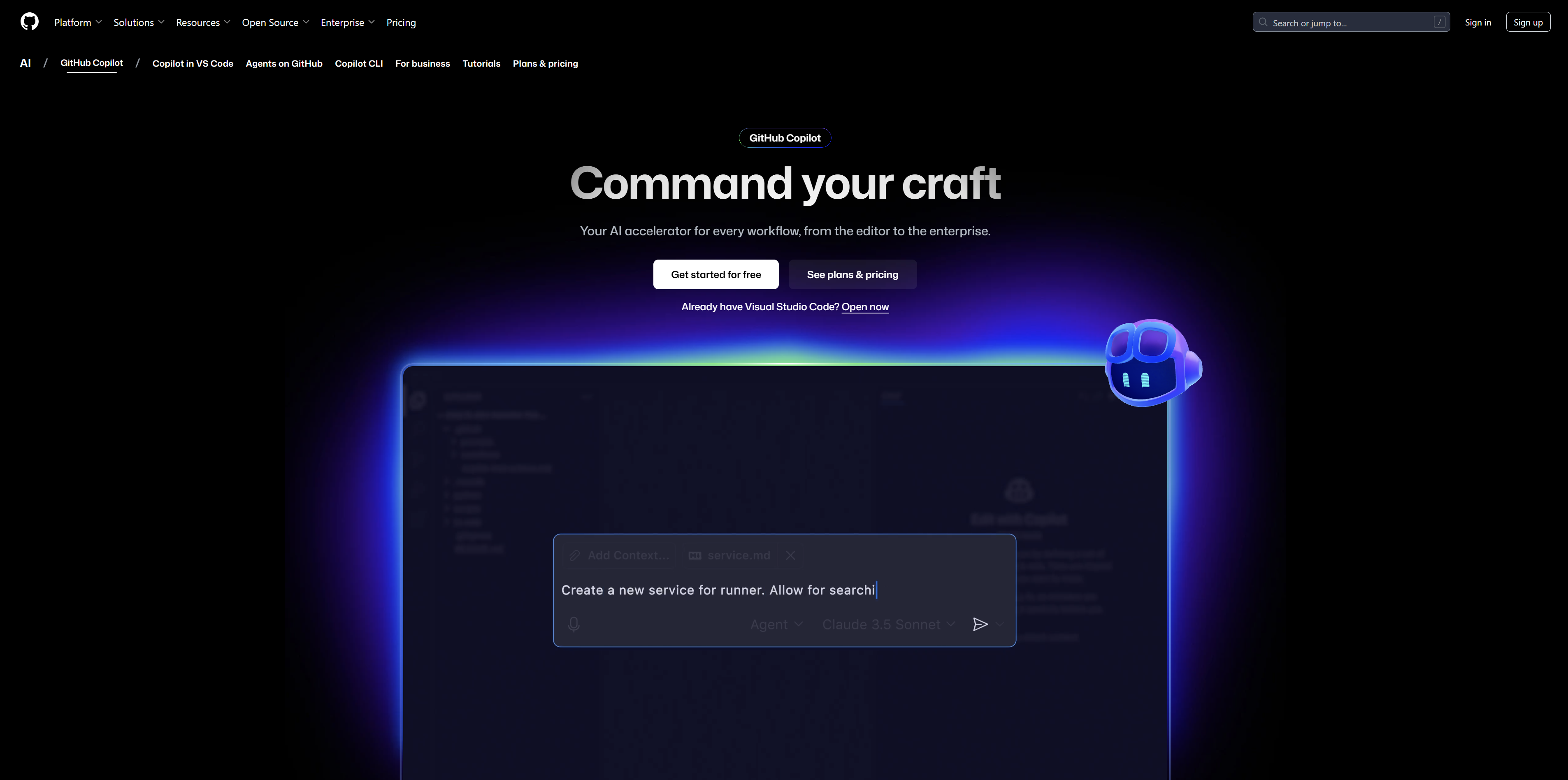
GitHub Copilot is an AI-powered code completion tool that helps developers by proposing whole lines or blocks of code depending on the context of what they're writing. Copilot can advise on everything from simple syntax to entire functions, allowing developers to create code more quickly, eliminate repetitive jobs, and even learn new programming skills.
7. Harness
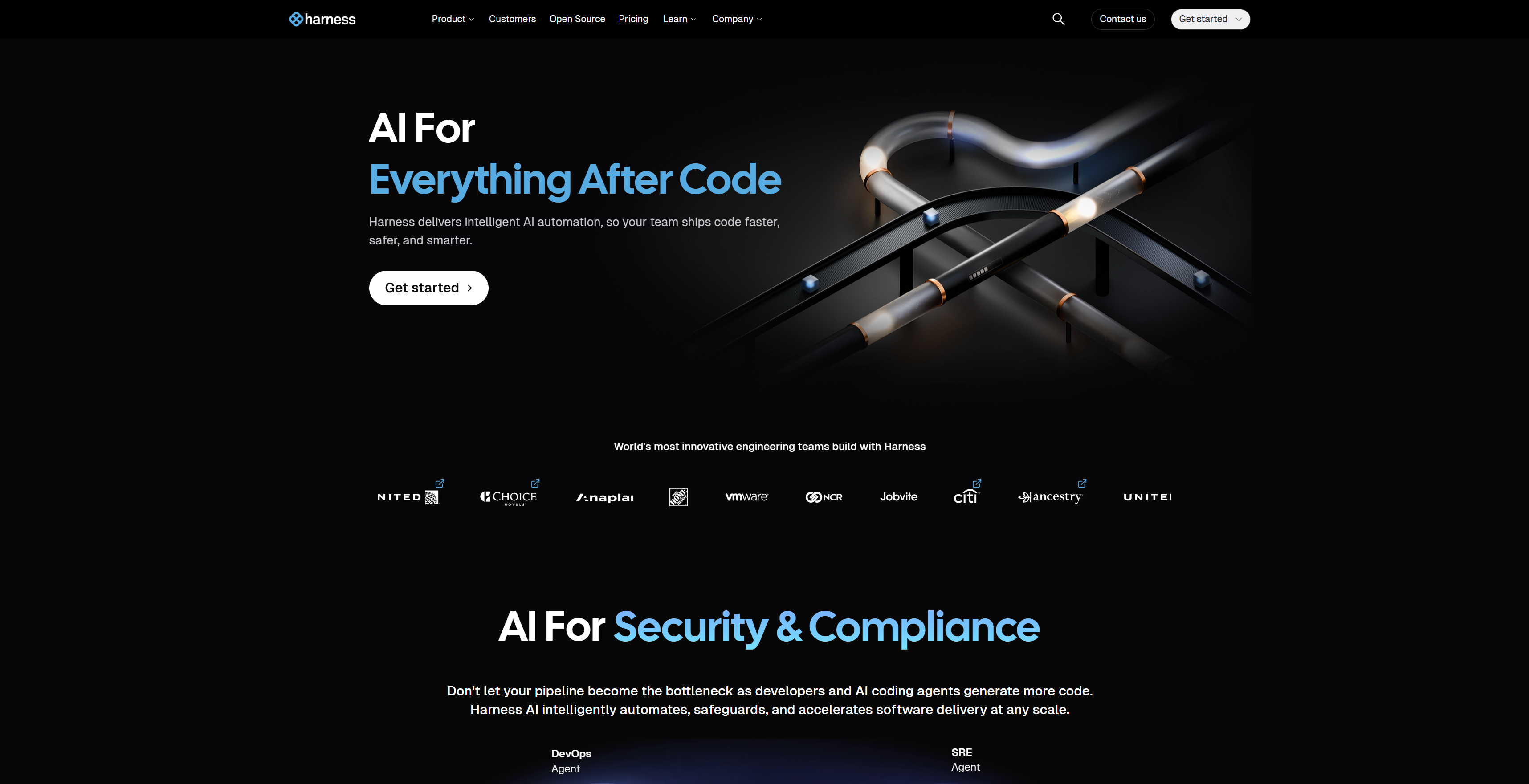
Harness is a continuous delivery platform driven by AI, streamlining and enhancing the software delivery process. It makes deployment management easier by including capabilities, such as automated canary deployments, rollback techniques, and pipeline governance. Harness uses AI algorithms to speed software releases while ensuring they are safe and reliable. The platform employs artificial intelligence (AI) to optimize operations, automate testing by creating test cases from historical data, and identify possible hazards.
8. Kubiya
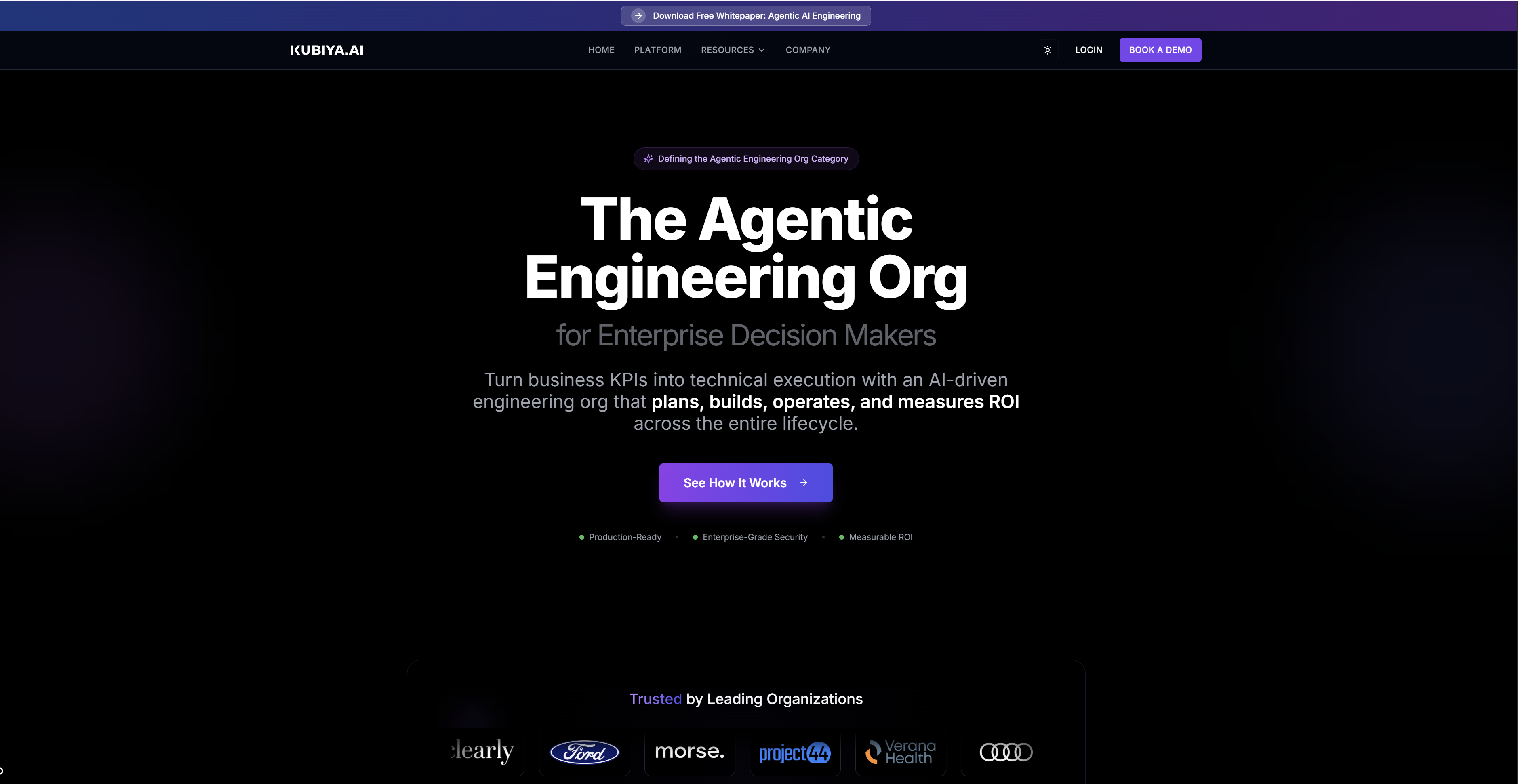
Kubiya simplifies the development and management of applications on Kubernetes. It provides a framework for running Kubernetes infrastructure across different data centers and cloud providers. With a unified control plane, teams can easily deploy applications and set up CI/CD pipelines. They can do this with just a few clicks, so they do not need to know a lot about Kubernetes.
9. Snyk
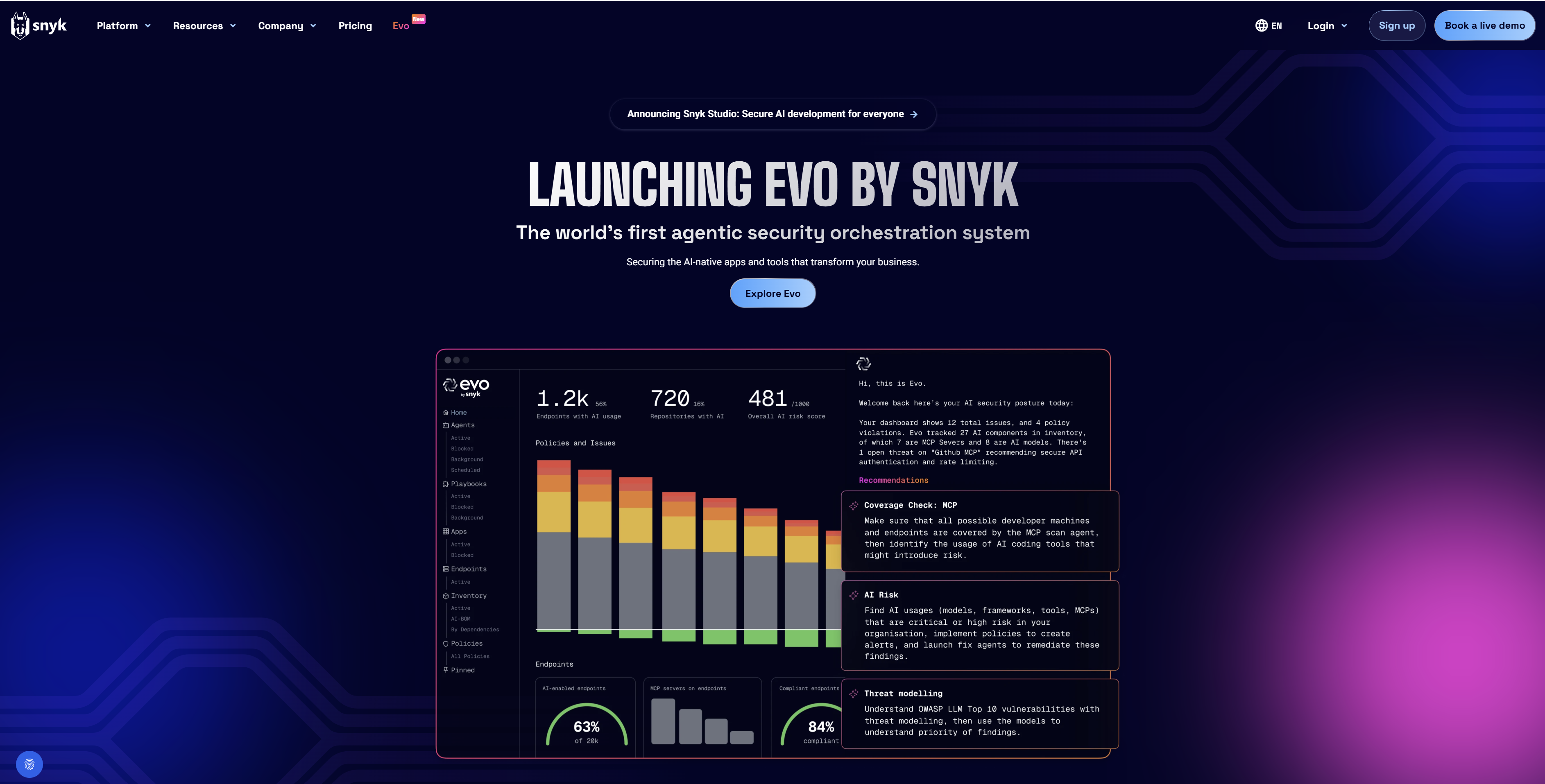
Snyk is a tool designed to help developers and DevOps experts improve the security of their applications and containers. Snyk provides automated and intelligent security testing and vulnerability management through the integration of AI and machine learning technologies. It has become a reliable tool for checking application security. It uses live data to assess and model an application's security from its original code. Furthermore, Snyk gives crucial insights that allow security experts to take the appropriate steps.
10. Sysdig
Sysdig is an AI-powered tool that helps DevOps engineers across the software development lifecycle. It offers extensive visibility and monitoring for containerized environments using machine learning and sophisticated analytics. Sysdig utilizes artificial intelligence (AI) to identify trends, problems, and security issues. This helps engineers find and fix issues early. It also ensures that applications stay stable and secure.
How to Build a Secure DevOps Platform with AI?
Creating a secure DevOps platform with AI involves utilizing AI security tools and automated guardrails. These should be applied throughout the Software Development Life Cycle (SDLC), from planning to production. The goal is to move from a reactive security approach to a proactive, "security-first" culture.
Key Steps to Build a Secure AI DevOps Platform
Building a secure AI DevOps (DevSecOps) platform requires embedding security, compliance, and automated monitoring into every stage of the AI lifecycle, from data ingestion to model deployment. Key steps are mentioned below:
- Define a Clear DevSecOps Strategy Start by assessing your current DevOps maturity. Identify pain points where AI can provide the most, such as long vulnerability resolution times or QA delays. Define clear, quantifiable goals for AI implementation and ensure that all stakeholders, from developers to security teams, support goals.
- Build a Strong Data Foundation AI models need high-quality and consistent data. This includes logs, metrics, incident reports, and code changes to provide accurate insights. Use proper data governance standards. This includes data ownership, storage, and access rules. These steps ensure that the data is safe, useful, and unbiased.
- Integrate Security into the CI/CD Pipeline Integrate automated security checks and policy enforcement early and frequently into the development process to discover and mitigate vulnerabilities as code is produced.
- Implement Strong Access Controls and Management Enforce the principle of least privilege, ensuring users and systems only have the necessary permissions.
- Utilize AI for Real-time Monitoring and Anomaly Detection Use AI-powered monitoring and observability tools (such as Dynatrace and Splunk) to analyze system behavior, discover abnormalities, and identify possible security issues in real-time. AI can help reduce alert fatigue by prioritizing critical issues and identifying root causes swiftly, enabling prompt incident response.
- Maintain Human Oversight and Continuous Improvement AI is a powerful enhancer, not a replacement for human expertise. Ensure human oversight to review AI-generated recommendations, validate critical decisions, and handle complex security incidents. Monitor AI models and retrain them to address new threats. Enhance processes using feedback and performance data.
AI-Powered DevOps Solutions for Scalable Teams
As engineering teams grow, they face new challenges. There are more deployments and more alarms. The work becomes more complex. There is also more pressure to produce quickly without making mistakes.
AI-powered DevOps solutions bridge the gap by incorporating automation, intelligence, and prediction into the software delivery process. This method enables organizations to enhance efficiency, minimize mistakes, and stimulate innovation without requiring a proportionate increase in staff.
Key Use Cases and Benefits for Scalable Teams
- AI integration transforms DevOps from a reactive to a proactive and data-driven discipline, which is critical for managing the complexity of rapidly developing dispersed systems.
- AI optimizes build and deployment processes by anticipating failures, prioritizing tests based on code changes, and automating rollbacks when issues are identified. This leads to faster, safer release cycles.
- AI systems automate code reviews and vulnerability scans to detect bugs, security issues (e.g., SQL injection), and compliance problems early in the development process.
- AI systems analyze vast amounts of logs, data, and traces in real-time to detect abnormalities and determine underlying causes of problems considerably faster than manual techniques. This minimizes alert fatigue and the average time to resolution.
How to Apply Machine Learning in DevOps?
Machine Learning adds intelligence, automation, and predictive capacity to DevOps procedures. Rather than simply responding to problems, ML enables teams to foresee errors, optimize DevOps pipelines, and enhance dependability. Here's how machine learning integrates into DevOps step by step:
- Predictive Analytics Analyze past data to identify potential system breakdowns, performance bottlenecks, and other problems before they happen.
- Automated Testing Use ML to automate regression tests, optimize test cases, and predict which parts of the code are likely to break, leading to faster and more efficient testing cycles.
- Intelligent Monitoring and Alerting Analyze logs and performance data to find abnormalities and correlate alarms, minimizing noise and enabling faster identification of underlying causes.
- Deployment Automation Optimize build and deployment workflows by forecasting probable defects, automating code reviews, and leveraging system health data to determine the right time for release.
- Resource and Cost Management Predict future resource needs based on usage patterns. This helps allocate resources efficiently, saving costs and preventing performance issues.
- Security (DevSecOps) Use ML to detect security flaws and threats in code and infrastructure as they are produced and deployed.
Conclusion
AI is no longer a nice-to-have in DevOps. Becoming the backbone of modern, scalable, and secure digital delivery. By utilizing AI-powered automation, smart monitoring, and predictive intelligence in your workflows, teams can remove bottlenecks. This helps reduce risks and deliver better software faster.
AI tools can help you in many ways. They can assist with growing teams, updating technology, and creating a secure DevOps platform. These tools provide the intelligence and automation you need. This will help you stay ahead in today’s competitive world.
Are you ready to enhance your DevOps pipeline using AI? Look at the top AI tools for DevOps. Start improving your delivery process today with Prioxis, a leading DevOps consulting company!


Related Blogs
What Is Cloud-Native Architecture? Pros, Cons and Key Components
Explore practical insights from engineers who build scalable digital products every day.

Top Reasons To Hire A .NET Developer
Explore practical insights from engineers who build scalable digital products every day.

Top 9 Cloud Benefits: Productivity, Innovation & Growth
Explore practical insights from engineers who build scalable digital products every day.
Benefits of a Dedicated Development Team Model
Explore practical insights from engineers who build scalable digital products every day.
Top 12 Software Development Methodologies
Explore practical insights from engineers who build scalable digital products every day.
Why Cloud Integration Matters: Is Your Business Ready?
Explore practical insights from engineers who build scalable digital products every day.
.NET Core vs .NET Framework: Key Differences That Matter
Explore practical insights from engineers who build scalable digital products every day.
Why Is Azure DevOps the Key to Faster Business Growth Today?
Explore practical insights from engineers who build scalable digital products every day.
Azure DevOps Pipelines: Tools for Smoother Deployments
Explore practical insights from engineers who build scalable digital products every day.
On Premise vs Cloud Computing: Cost, Security & Scalability
Explore practical insights from engineers who build scalable digital products every day.